THE FOUNDATION FOR INDIVIDUAL, FAMILY, AND COMMUNITY HEALTH
The Department of Family and Community Medicine (DFCM) at the Medical College of Wisconsin teaches a comprehensive, whole-person approach to care. In an age where specialists abound, DFCM incorporates the broader behavioral sciences into the practice of medicine and values a patient-physician relationship within the totality of family and community. With our progressive partnerships and strong, community-based residency programs, DFCM pioneers student learning opportunities that deepen the understanding of the social, economic and cultural aspects of patient care.
Didactics
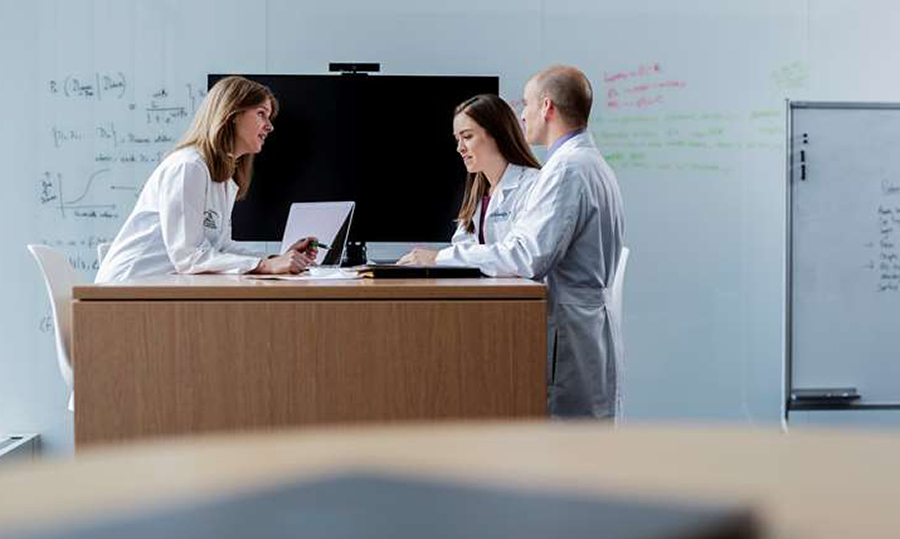
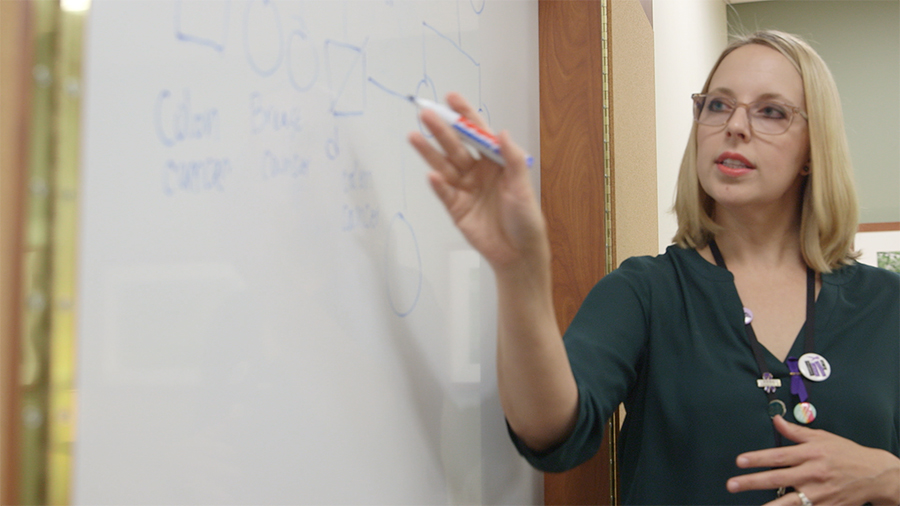
Our residents participate in weekly didactic sessions on Wednesday afternoon. These sessions include monthly behavioral health curriculum and monthly journal club. Our core and adjunct faculty present a large portion of these sessions with additional sessions from our community specialists. As part of this, residents present grand rounds and lecture topics to develop their skills of presentation. Several times a year, we have hands on workshops to work on Manual skills such as digital nerve blocks, OMT, point of care ultrasound (POCUS), and a variety of other procedures.
CURE
Every month, our residents join in a longitudinal educational series together with other residents from family medicine programs within the Medical College of Wisconsin. These are taught by a faculty within the DFCM on topics such as women’s health, sports medicine, and geriatrics.
Regional Learning Collaborative
Each month, our residents receive training in bread-and-butter family medicine topics along with residents from other family medicine residency programs. This experience brings together educators from around the region.
Practice Management Training
Second year residents have practice management training longitudinally
Osteopathic Training
Osteopathic residents in our program have a longitudinal curriculum over three years and are trained alongside other osteopathic residents from our affiliated residency programs.
Medical Students
Our program serves as a clinical site for 3rd and 4th year medical students, with inpatient and outpatient opportunities. Second and third year residents have an increased role in medical student education. Faculty also have 1st and 2nd year medical students working with them through the Clinical Apprenticeship Program at MCW.
Scholarly Activity
All residents participate in quality improvement projects and additional scholarly work which could include presenting nationally/regionally and submitting for publication. Most projects are resident-driven, based on the interest of that resident. Many residents work together on projects that they believe impact their patients or our community. Faculty mentors support the residents in their work. We have additional support from the Clinical Translational Science Institute.